

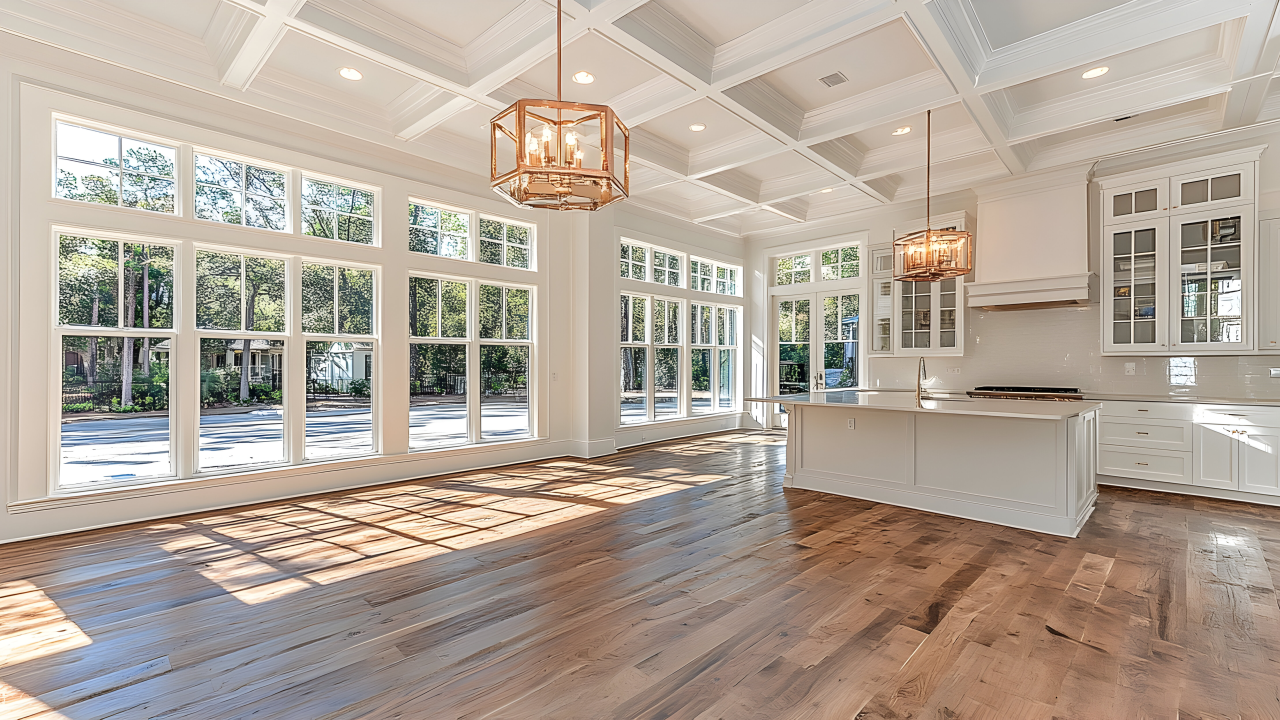
Authentic hardwood flooring brings timeless warmth, natural beauty, and lasting value to any home. Because wood is a natural organic material, it remains porous and reactive to its surrounding environment even after it is harvested, milled, finished, and installed.
Hardwood continually absorbs and releases moisture depending on the relative humidity of your indoor air. Understanding how seasonal shifts affect natural wood—and taking control of your home’s indoor air climate—is the single most effective way to protect your investment.
How Hardwood Responds to Seasonal Moisture Changes
Wood fibers operate much like a natural sponge. When the ambient air contains high amounts of moisture, hardwood planks absorb that water vapor and expand across their width. Conversely, when the air becomes dry, wood releases its internal moisture and contracts.
Summer Expansion: High seasonal humidity causes planks to press tightly against each other. If there isn't enough room to expand, the boards can press upward at the edges (cupping) or bulge in the center (crowning).
Winter Shrinkage: Cold outdoor air combined with indoor heating dries out room air significantly. As hardwood loses moisture, individual boards shrink, revealing small gaps or seams between planks.
While minor seasonal expansion and contraction is completely normal, extreme fluctuations cause permanent damage, finish cracking, or structural loosening over time.
Target the Ideal Indoor Humidity Range
To keep hardwood stable, aim to keep your home's relative humidity (RH) consistently between 35% and 55%, with indoor temperatures staying roughly between 60°F and 80°F.
Investing in a inexpensive indoor hygrometer (a digital humidity reader) lets you monitor your living space easily. When your reader shows values creeping outside the ideal 35%–55% zone, you can adjust your home equipment before your floors show signs of stress.
Managing High Summer Humidity
When warm months bring muggy air indoors, take these simple steps to keep excess moisture away from your wood floors:
Run Your Air Conditioner: Your home HVAC system naturally pulls excess moisture out of the air as it cools your living space.
Use a Dehumidifier: If you live in a particularly damp area or have a finished basement level, a dedicated dehumidifier helps maintain safe indoor moisture levels.
Use Exhaust Fans: Always run exhaust fans in bathrooms and kitchens during showering and cooking to keep steam from circulating through adjoining hardwood hallways.
Fighting Dry Winter Air
During cold months, central heating systems pull moisture out of indoor spaces, dropping humidity levels well below 30 percent. You can combat dry air damage with these strategies:
Run a Whole-House or Portable Humidifier: Adding moisture back into room air prevents wood planks from drying out, shrinking, or developing surface checks (fine cracks).
Avoid Sudden Temperature Spikes: Gradually adjust your thermostat during winter weather rather than turning heat up rapidly, which dries out floorboards too fast.
Solid vs. Engineered Hardwood: Knowing the Difference
If maintaining strict humidity levels sounds challenging, floor selection plays an important role. Solid hardwood consists of a single piece of solid wood, making it very sensitive to humidity changes. Engineered hardwood, on the other hand, features a real wood top veneer bonded over cross-layered plywood sheets. This layered construction provides superior dimensional stability, making engineered wood far less likely to expand or shrink during seasonal shifts.
By monitoring indoor moisture levels and maintaining a stable indoor climate, your hardwood floors will remain flat, smooth, and breathtaking for generations.


