

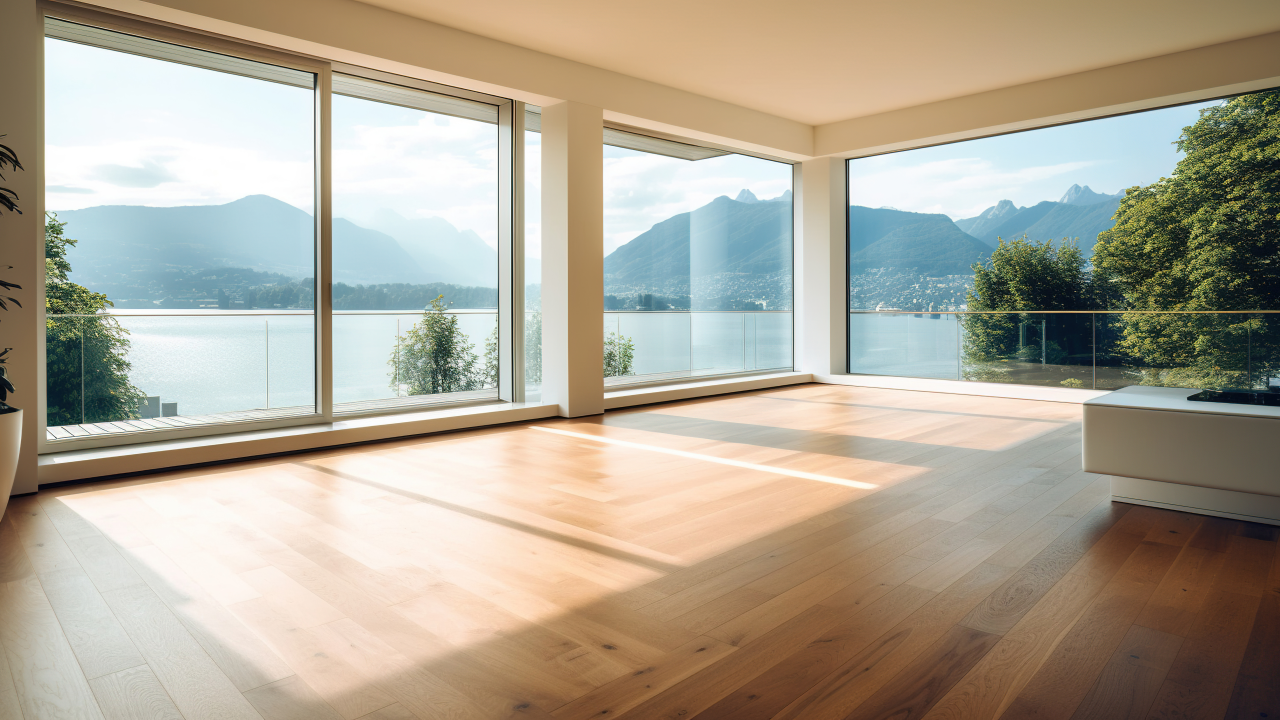
When summer heat hits, indoor moisture levels tend to climb right along with the outdoor temperature. Whether you live in a notoriously muggy region or simply deal with seasonal spikes in moisture, high humidity creates serious challenges for household flooring. Moisture trapped inside your home can cause traditional materials to swell, buckle, or grow mold underneath the surface. This is where luxury vinyl flooring steps in as one of the most reliable solutions available today.
How Summer Moisture Attacks Traditional Hard Surface Floors
To understand why luxury vinyl works so well in humid environments, it helps to look at how moisture affects other popular materials. Natural wood and standard laminate consist of organic fibers that absorb airborne moisture. When humidity rises during warm months, these planks expand against one another. Over time, this pressure leads to cupping (where the edges curve upward), crowning (where the center swells), or permanent buckling.
Even subfloors beneath tile or carpet can trap dampness, leading to musty odors and hidden damage. When relative indoor humidity rises above 60 percent, standard flooring options start showing signs of stress that require costly repairs or early replacement.
The Waterproof Core: Why Luxury Vinyl Handles High Humidity
Luxury vinyl plank (LVP) and luxury vinyl tile (LVT) are engineered differently. Built with dense synthetic materials—such as Stone Polymer Core (SPC) or Wood Polymer Core (WPC)—luxury vinyl is completely waterproof from the surface down through its base layer.
Because vinyl core layers do not absorb water vapor from the surrounding air, the planks remain dimensionally stable regardless of how humid the room becomes. Rain, high ambient moisture, wet shoes, and indoor humidity spikes simply sit on top of the wear layer or pass harmlessly over the core without causing expansion or warping.
Perfect for Every Moisture-Prone Room in Your Home
Because vinyl resists humidity so effectively, you can install it seamlessly across areas where hardwood or laminate usually fail:
Basements and Ground-Level Rooms: Concrete subfloors naturally release ground moisture. Vinyl blocks this moisture from causing surface problems.
Kitchens and Mudrooms: High foot traffic combined with humidity from cooking and outdoor weather makes vinyl the ideal choice for heavy daily use.
Bathrooms and Laundry Rooms: Constant steam, standing water, and high heat require a material that won't absorb ambient steam or swell around fixtures.
Key Installation Tips for Maximum Performance
While luxury vinyl plank is immune to water damage, improper installation can still leave room for subfloor issues. Here is how to ensure your vinyl floor lasts through years of sticky summer weather:
Test the Subfloor Moisture: Before laying down any planks, make sure your subfloor is dry and clean.
Use an Approved Underlayment: Many LVP products come with attached acoustic or moisture-resistant backing. Adding the recommended underlayment protects against vapor rising from concrete slabs.
Leave Proper Expansion Gaps: Vinyl does not swell from moisture, but extreme temperature shifts can cause subtle expansion. A small perimeter gap hidden under baseboards gives the floor room to settle naturally.
Enjoying Worry-Free Floors Year-Round
Investing in luxury vinyl means you don't have to spend your summers adjusting dehumidifiers just to save your floors from warping. You get the authentic look of natural hardwood or slate, combined with modern engineered durability that handles heat, humidity, and active household spills with ease.


